
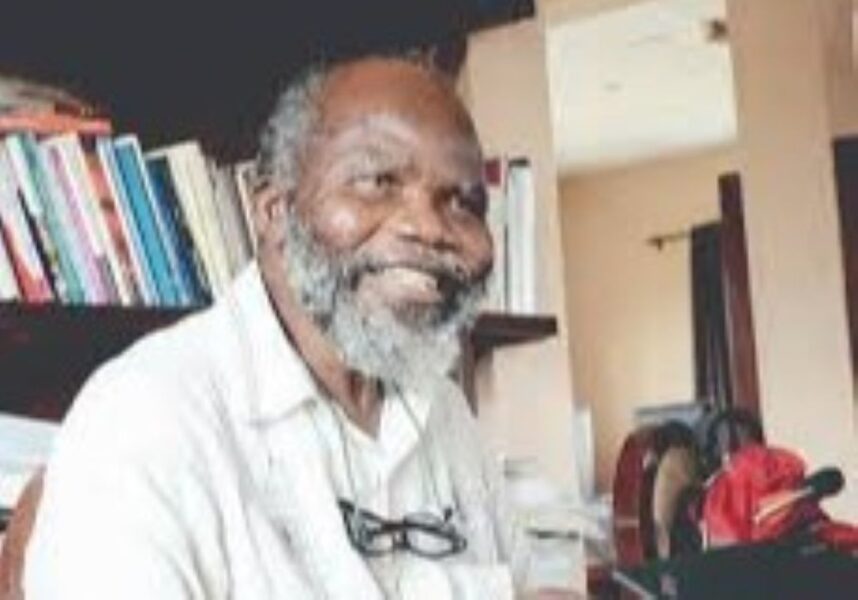

Retired Major General Ishola Williams has thrown his weight behind Oyo State Governor Seyi Makinde’s call for an independent international investigation into the abduction and eventual rescue of pupils and teachers kidnapped in Oriire Local Government Area, describing the governor’s position as consistent with past national security precedents.
Williams made the remarks during an interview on Frontline, a current affairs programme on Eagle 102.5 FM, Ilese-Ijebu, Ogun State, on Friday, following Makinde’s appeal for a United Nations-backed investigation into the circumstances surrounding the school abduction and the military operation that secured the victims’ release after 56 days in captivity.
The retired two-star general argued that the governor’s request was neither unusual nor inappropriate, recalling that international organisations were widely encouraged to scrutinise the abduction of the Chibok schoolgirls during the administration of former President Goodluck Jonathan.
According to Williams, many members of the then-opposition strongly criticised Jonathan and demanded international involvement, creating a precedent that supports Makinde’s current position.
“Makinde is right in making that call,” Williams said, noting that those who previously advocated international intervention during the Chibok crisis should not now oppose similar demands.
“What comes around, turns around. So, that’s what’s happening,” he added.
He maintained that Makinde was simply following an established pattern rather than introducing a new approach to addressing major security incidents.
Despite backing the governor’s position, Williams pointed out that a state governor lacks the constitutional authority to formally invite the United Nations to investigate a domestic security issue.
He explained that such requests can only be made by the federal government through the Ministry of Foreign Affairs and the president.
Instead, Williams suggested that globally recognised independent organisations, including Amnesty International, would be more appropriate bodies to conduct an impartial investigation into the incident.
Beyond the call for an independent probe, the retired military officer questioned the intelligence failures that allowed heavily armed kidnappers to abduct dozens of schoolchildren and teachers without being detected.
He said the incident exposed serious weaknesses in Oyo State’s grassroots security architecture and called for accountability among agencies responsible for local intelligence gathering.
Williams specifically questioned the effectiveness of the state Ministry of Home Affairs, the intelligence unit of the Western Nigeria Security Network, codenamed Amotekun Corps, and community leadership structures.
He argued that security advisers and officials responsible for internal security should be held accountable where intelligence failures contributed to the success of the kidnapping operation.
According to him, the ability of the kidnappers to move into the community, abduct large numbers of pupils and transport them into the forest without detection raises serious concerns about local security coordination.
Williams also insisted that such criminal operations could not have succeeded without some level of collaboration from individuals within the affected communities.
He said communities and traditional leaders should equally bear responsibility whenever criminal groups repeatedly operate within their areas.
The retired general further expressed doubts over the official narrative surrounding the rescue operation, saying more details should be made public to enable security experts to assess the mission and draw lessons that could strengthen future rescue efforts.
He argued that if the intelligence and operational capabilities reportedly deployed during the Oriire rescue were consistently applied elsewhere, particularly in the North-East, Nigeria could make greater progress in combating insurgency.
Williams urged the military to focus more attention on defeating insurgents in the North-East while advocating comprehensive security sector reforms, including the establishment of state police.
He reiterated his long-standing support for decentralised policing, arguing that Nigeria’s highly centralised security structure has become ineffective.
According to him, governors who are constitutionally recognised as chief security officers of their states should be granted greater operational control over security within their jurisdictions, while specialised federal agencies concentrate on criminal intelligence, investigations and national security threats.
Williams also dismissed concerns that state police could be abused by governors, arguing that abuse of power is possible under any policing arrangement and should not prevent reforms aimed at improving public safety.
He maintained that strengthening local intelligence networks and holding community leaders accountable would significantly improve Nigeria’s ability to prevent kidnappings and other violent crimes.