
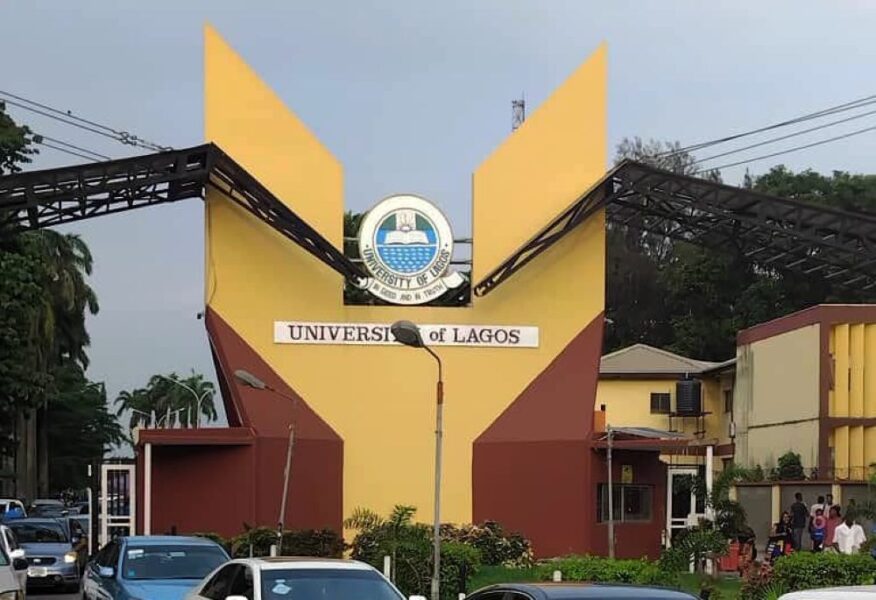

The University of Lagos (UNILAG) has reaffirmed its commitment to harnessing artificial intelligence (AI) and digital innovation to bridge educational inequalities and prepare students for the demands of the digital age.
This commitment was made during the annual lecture of the institution’s Faculty of Education, where experts highlighted the role of emerging technologies in expanding access to quality education, particularly in resource-constrained communities.
The lecture, themed “Bridging Educational Inequalities Through Artificial Intelligence and Digital Innovation in Resource-Constrained Contexts”, brought together academics, policymakers, students, corporate stakeholders and university administrators to discuss practical solutions for improving learning outcomes through technology.
Representing the Vice-Chancellor, Prof. Folasade Ogunsola, the Deputy Vice-Chancellor (Development Services), Prof. Foluso Lesi, described artificial intelligence as a transformative force redefining the way knowledge is created, shared and applied across the world.
According to Lesi, universities must embrace technological innovation to remain competitive and produce graduates equipped with the digital skills needed in an increasingly technology-driven economy.
He noted that the ongoing shift from analogue to digital systems presents higher institutions with fresh opportunities to transform teaching, research and learning, adding that innovation remains central to UNILAG’s vision of producing globally competitive graduates.
Earlier, the Dean of the Faculty of Education, Prof. Simeon Oladipo, expressed appreciation to the university management for supporting the faculty’s academic programmes and annual lecture series.
He described the event as a vital platform for addressing contemporary educational challenges while promoting scholarly engagement on emerging issues affecting the education sector.
Oladipo observed that artificial intelligence has significantly expanded research opportunities, accelerated knowledge creation and introduced new approaches to teaching and learning.
He reaffirmed the faculty’s commitment to advancing innovative educational practices that prepare students for global realities.
Delivering the keynote address, public intellectual Jibril Ibrahim described the lecture theme as timely and commended UNILAG for its continued contributions to academic excellence and national development.
Ibrahim said quality education remains one of the most effective instruments for reducing poverty, promoting social mobility, driving economic growth and achieving national transformation.
He maintained that the responsible application of artificial intelligence has the potential to widen access to learning irrespective of geographical location, economic circumstances or social background.
However, he cautioned that technology alone cannot resolve educational challenges without visionary leadership, effective public policies, reliable digital infrastructure and sustained investment in the education sector.
The keynote speaker also advocated ethical governance, inclusiveness and equity to ensure that advances in artificial intelligence translate into meaningful educational outcomes for all learners.
According to the university, the event also featured the presentation of awards and scholarships to individuals recognised for their outstanding contributions to education, scholarship and national development.
Among the award recipients were Vice-Chancellor Professor Folasade Ogunsola, Professor Simeon Oladipo, Dean of Postgraduate Studies Professor Abraham Osinubi, and retired professors Uchenna Udeani and Mercy Onwuama.