
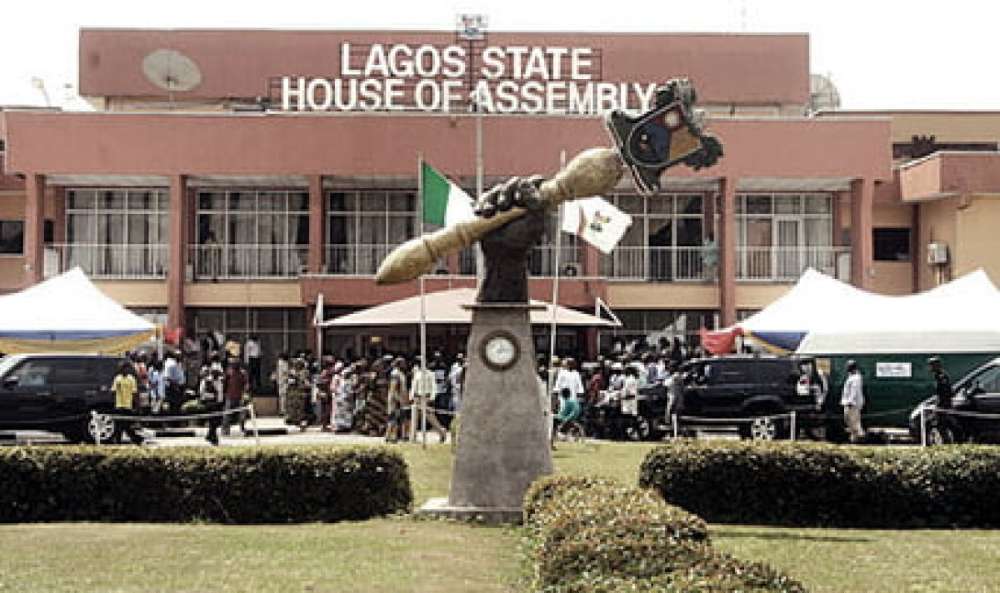

The Lagos State House of Assembly has commenced moves to formalise and regulate the activities of artisans and craftsmen across the state through a proposed regulatory board.
The lawmakers are considering the Lagos State Artisans and Craftsmen Regulatory Board Bill 2025, which seeks to establish a legal framework for the registration, training, certification and regulation of artisans and craftsmen operating in Lagos.
The bill was presented for second reading during plenary by the Majority Leader, Hon. Noheem Adams, who said the proposed legislation would bring greater dignity, accountability and structure to the state’s informal sector while protecting residents from unqualified practitioners.
Adams said artisans and craftsmen account for a significant portion of Lagos’ informal economy but have largely operated without adequate regulatory structures, uniform standards and institutional support.
“To regulate our artisans and craftsmen is to dignify them, to protect our people, and to strengthen the very foundation of our economy,” he said.
Under the proposed legislation, the Lagos State Artisans and Craftsmen Regulatory Board would maintain a comprehensive register of qualified practitioners and issue certifications to help residents distinguish trained professionals from unqualified operators.
The board would also coordinate and standardise training programmes to improve competence, safety and professional standards across different trades.
Another key responsibility would be consumer protection.
The proposed board would receive complaints from members of the public and intervene in disputes between artisans and their clients.
The legislation further proposes mechanisms for supporting registered artisans through access to loans, government empowerment programmes, insurance schemes and skills-upgrading initiatives.
Adams said formal registration would also give the government reliable data on the number, location and needs of artisans across Lagos, while creating a verifiable database that could assist law enforcement agencies in monitoring practitioners and addressing security concerns.
The bill also contains oversight provisions, including Section 19, which empowers the governor to issue directives to the proposed board.
During debate on the bill, lawmakers expressed support for the initiative but called for amendments to address environmental safety, board composition, certification requirements, registration fees and the minimum age for registration.
Hon. Stephen Ogundipe, representing Oshodi/Isolo 1, said proper licensing would help reduce disputes between artisans and their clients while enabling members of the public to identify qualified professionals. He called for the speedy passage of the bill.
Hon. Adebola Shabi, however, drew attention to environmental and safety risks associated with some trades, particularly welding.
He proposed that the Lagos State Safety Commission and the Ministry of Environment should have representation on the proposed board.
Similarly, Hon. Lukmon Olumoh, representing Ajeromi 1, sought clarification on the possible overlap between the proposed board and the Lagos State Vocational Education Board (LASVEB).
Hon. Femi Saheed of Kosofe 2 questioned the academic qualification requirements proposed for the chairman of the board, while Hon. Kehinde Joseph, representing Alimosho 1, suggested reducing the minimum registration age from 18 to 16 years.
Joseph also called for a review of the proposed registration fees to ensure they do not place an excessive financial burden on artisans.
Speaker of the Assembly, Mudashiru Obasa, commended the lawmakers for introducing the bill, describing it as important to security, economic growth, employment generation and internally generated revenue (IGR).
Obasa said establishing a comprehensive database of artisans would enable the government to identify and monitor people operating in the sector, thereby strengthening security.
He urged the government to bring informal “over-the-counter” artisans into the formal system while ensuring that financial assistance to registered practitioners was properly structured.
The Speaker also called for the use of technology and international partnerships, particularly with countries such as China and Taiwan, to improve the skills and productivity of Lagos artisans.