
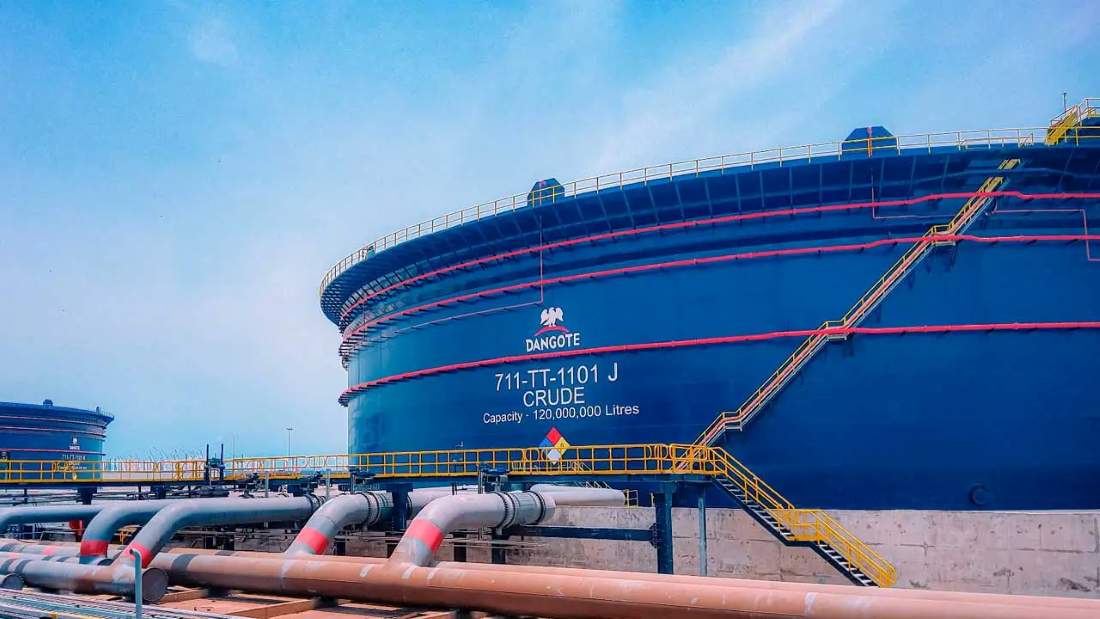

Dangote Petroleum Refinery has raised the gantry price of Premium Motor Spirit (PMS), commonly known as petrol, by ₦85 per litre, putting fresh pressure on fuel prices across Nigeria.
The refinery increased its price from ₦1,265 to ₦1,350 per litre, representing a 6.7 per cent adjustment.
The increase directly affects fuel marketers that purchase petrol from the refinery and could translate into higher retail pump prices if marketers pass the additional cost on to consumers.
While the extent of any increase at filling stations will depend on prevailing market conditions and marketers’ pricing decisions, the latest adjustment introduces another potential cost pressure for motorists and households already dealing with elevated living and transportation expenses.
Higher petrol prices could also affect the cost of transportation and the operating expenses of businesses that rely heavily on fuel for logistics, power generation and other daily activities.
For households, any sustained rise in pump prices could increase spending on transportation and indirectly raise the cost of goods and services as businesses factor higher energy and distribution expenses into their prices.
The latest development comes against the backdrop of fluctuations in international crude oil prices and continuing changes in Nigeria’s downstream petroleum market.
Petrol pricing in the country remains influenced by several factors, including crude oil prices, foreign exchange movements, supply conditions and domestic market dynamics.
Dangote Petroleum Refinery has become an increasingly important source of refined petroleum products for the Nigerian market as the country seeks to reduce reliance on imported fuel and strengthen domestic refining capacity.
The new gantry price therefore places renewed attention on how movements in refinery prices are transmitted through the fuel supply chain to filling stations and, ultimately, consumers.
Marketers sourcing PMS directly from the refinery are expected to factor the new ₦1,350-per-litre price into their operations.
Any resulting adjustment in retail prices could have broader consequences for transportation costs and the prices of goods and services.
The development also underscores the sensitivity of Nigeria’s petrol market to changes in both international and domestic economic conditions.