
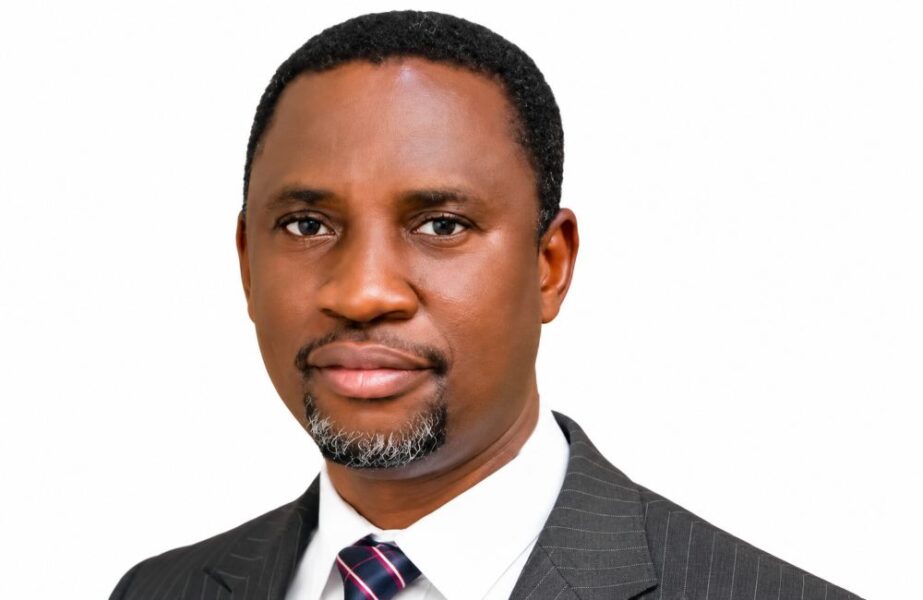

The Nigerian Bar Association (NBA), Akure Branch, has called on the Ondo State Police Command to stop the alleged harassment and intimidation of lawyers carrying out their professional duties at police stations.
The branch also proposed a structured partnership with the command to improve the implementation of the Administration of Criminal Justice Law and reduce recurring disagreements between police officers and legal practitioners.
Chairman of the NBA Akure Branch, Oju Kekemeke, made the demands on Thursday when he led the newly inaugurated executive of the association on a courtesy visit to the state Commissioner of Police, Felix Ohagwu, at the command headquarters in Akure.
Kekemeke said the police and legal profession had complementary responsibilities in maintaining law and order and ensuring access to justice, stressing that both institutions should operate through mutual respect rather than confrontation.
He said cooperation between the two professions should cover the entire criminal justice process, from arrest and investigation to prosecution and trial.
“The starting point is mutual respect for our professions. The lawyer must respect the Police in his line of duty. The police must also respect the lawyer as an advocate and solicitor in line with his call,” he said.
According to him, regular Police-NBA criminal justice coordination meetings would help address recurring issues involving lawful arrests, suspects’ rights, access to lawyers during statement-taking, investigation procedures, legal advice, detention, bail and bond processes, as well as compliance with human rights standards.
The NBA chairman also proposed monthly inspections of police detention facilities and joint training programmes involving lawyers and police officers.
Kekemeke, however, alleged that some members of the branch had been harassed, intimidated and, in some cases, molested while representing clients at police stations.
He urged the commissioner to engage police personnel on the professional responsibilities of lawyers, while promising that the NBA would similarly remind its members to respect officers performing their duties.
“If for whatever reason the police have issues with any of our members, we propose that our association be directly communicated for proper engagement of such issues to avoid recurrent conflicts,” he said.
Another major concern raised by the NBA was the practice of requiring lawyers to surrender their mobile phones before gaining access to some police facilities.
Kekemeke argued that such a requirement could interfere with lawyers’ ability to effectively represent their clients, particularly because mobile devices are now important tools for communication, accessing legal materials and handling confidential information.
“The lawyers’ phone is more than a gadget; it is a mobile library, it is a repository of information, mostly clients’ confidential information, and much more,” he said.
He acknowledged that reasonable security measures, including restrictions on photography or recording in sensitive areas, could be justified but argued that simply possessing a mobile phone should not prevent a lawyer from accessing a client.
The issue of lawyers’ access to police stations and restrictions on mobile phones has also featured in wider discussions between the NBA and police authorities, reflecting a recurring professional-relations issue between the two institutions.
Responding, Commissioner Ohagwu said effective criminal justice administration depended on the complementary contributions of the police, lawyers and other stakeholders.
He welcomed the NBA’s proposal for stronger institutional collaboration and assured the delegation that the command was prepared to sustain professional engagement with the association.
Ohagwu also pledged to improve communication between the police and legal practitioners and support initiatives aimed at strengthening justice, accountability and the rule of law in Ondo State.
The meeting comes shortly after Kekemeke assumed office as chairman of the Akure NBA Branch. Since his inauguration, he has identified reforms in justice administration and improved engagement with institutions as key priorities of his tenure.