
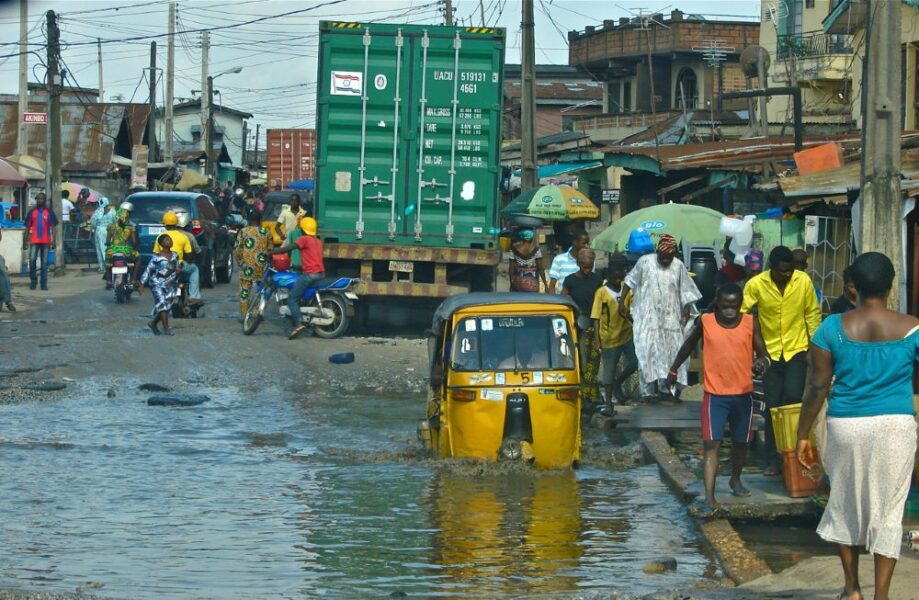

The Lagos State Government has announced an emergency intervention to address widespread flooding following weeks of persistent rainfall, assuring residents that additional measures are being implemented to reduce the impact of heavy downpours across the state.
As part of the response, Governor Babajide Sanwo-Olu has approved the immediate dredging of 28 additional primary drainage channels to strengthen the state’s flood-control infrastructure.
Commissioner for the Environment and Water Resources, Tokunbo Wahab, disclosed the development while appealing to residents to remain calm despite flash floods recorded in several parts of Lagos over the past two weeks.
According to Wahab, the recent rains were an extreme weather event that produced an unusually high volume of rainfall within a short period, temporarily overwhelming drainage systems in some locations.
He said communities including Victoria Island, Lekki, Ikeja, Gbagada, Mushin, Mafoloku and several other areas experienced temporary flooding as a result of the intense rainfall.
The commissioner explained that the flooding was not unique to Lagos, noting that several African countries and parts of North America also witnessed severe rainfall and flooding during the same period.
He, however, pointed out that Lagos faces a more complex hydrological challenge because of its extensive network of lagoons, rivers, creeks and tidal water bodies, combined with the state’s high rainfall intensity.
According to him, the interaction between the Atlantic Ocean, the Lagos Lagoon and inland waterways, particularly during periods of high tide, naturally slows the discharge of stormwater into the sea.
This, he said, contributes to temporary flooding in low-lying communities whenever exceptionally heavy rainfall occurs.
Wahab assured residents that the state government is continuously monitoring major drainage infrastructure, flood-prone locations and primary channels across Lagos to minimise the effects of flooding.
He added that emergency response agencies had already been deployed to affected areas to accelerate the recession of floodwaters and provide necessary assistance to residents.
The commissioner reiterated that the government would continue investing in drainage construction, channelisation, desilting operations and other flood-mitigation projects aimed at improving the state’s resilience against extreme weather.
He, however, stressed that government efforts alone would not eliminate flooding without the active cooperation of residents.
Wahab urged members of the public to stop dumping refuse into drains, canals and waterways, warning that blocked drainage systems and the illegal reclamation of wetlands remain major contributors to flooding across the state.
He also cautioned developers and residents against erecting structures on drainage alignments or carrying out activities capable of obstructing the free flow of stormwater.
The commissioner observed that the increasing occurrence of extreme rainfall in coastal cities worldwide reflects the growing impact of climate change.
“Lagos is not exempt from these realities. However, the state government remains steadfast in its commitment to building a flood-resilient city through sustained infrastructure development, environmental enforcement and active collaboration with residents,” he said.
Describing flood management as a collective responsibility, Wahab called on residents to keep drainage channels free of waste and promptly report any activities capable of obstructing stormwater flow.
He also advised motorists to avoid driving through flooded roads during heavy rainfall and urged residents, particularly those living in flood-prone communities, to comply with weather advisories and safety instructions issued by relevant government agencies.
Reaffirming the state’s commitment to safeguarding lives and property, Wahab appealed for continued public support as the government intensifies efforts to build a cleaner, safer and more flood-resilient Lagos.