

The Senate has given six outstanding State Houses of Assembly until November 15 to communicate their positions on the proposed constitutional amendment establishing state police, warning that failure to respond by the deadline will be regarded as withholding approval.
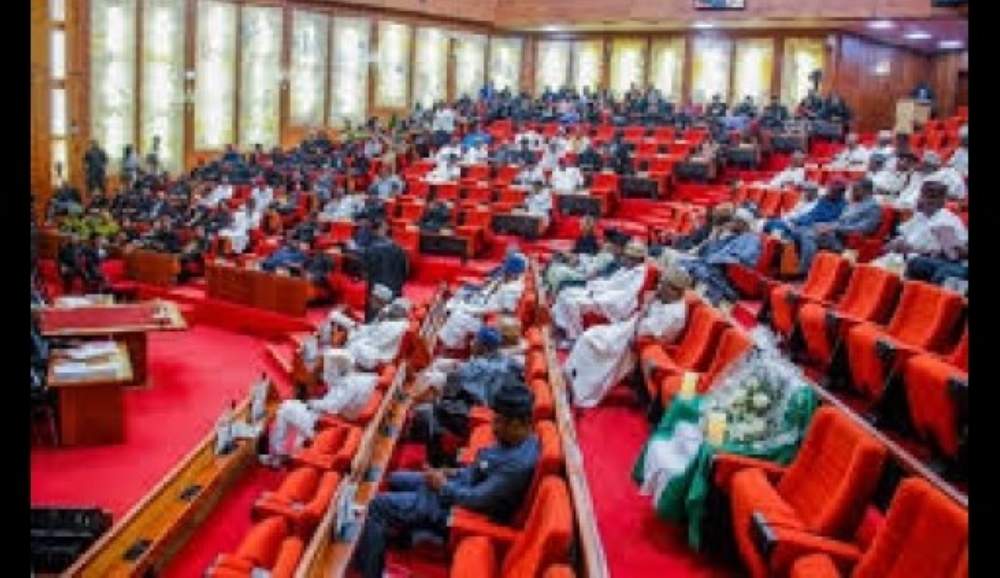
Senate President Godswill Akpabio announced the extension during Wednesday’s plenary after Senate Leader Opeyemi Bamidele reported that 30 of Nigeria’s 36 state assemblies had approved the State Police Constitution Alteration Bill, 2026.
Although the 30 approvals have already surpassed the constitutional threshold of 24 states, representing two-thirds of the 36 state legislatures, Akpabio appealed to the Senate to allow the remaining six assemblies additional time to make their positions known.
“They should be given more time. Let’s give them till November 15 to respond,” Akpabio said.
The Senate unanimously approved the extension.
Based on the list read by Bamidele, the 30 states that have approved the proposed amendment are Adamawa, Akwa Ibom, Anambra, Bauchi, Bayelsa, Borno, Delta, Ebonyi, Edo, Ekiti, Enugu, Gombe, Imo, Jigawa, Kaduna, Katsina, Kebbi, Kogi, Kwara, Lagos, Nasarawa, Ogun, Ondo, Osun, Plateau, Rivers, Sokoto, Taraba, Yobe and Zamfara.
The six states yet to communicate approval are Abia, Benue, Cross River, Kano, Niger and Oyo.
Bamidele said the constitutional amendment process has three key stages: passage by the National Assembly, approval by at least two-thirds of the state Houses of Assembly and presidential assent.
“Passage of the bill was meant to be done by the national assembly, which was done, and approval is meant to be done by at least two-thirds of the 36 state houses of assembly in the country, and assent is to be given by the president to complete this process,” he said.
The latest development comes after Bamidele disclosed last week that at least 30 state assemblies had endorsed the bill and that the National Assembly intended to complete the remaining legislative stages before December.
Under Section 9(2) of the 1999 Constitution, constitutional alterations require approval from not less than two-thirds of all state Houses of Assembly before the National Assembly can proceed with the final stages.
With 30 states already supporting the proposal, the constitutional threshold has therefore been exceeded by six states.
Proposed state police would fundamentally alter Nigeria’s policing structure by allowing states to establish their own police services alongside the existing Nigeria Police Force.
Supporters of the reform argue that decentralising policing could improve intelligence gathering, shorten response times and make security operations more responsive to local conditions.
The proposal is also being advanced against the backdrop of persistent insecurity, including kidnapping, banditry, communal violence and other violent crimes.
However, concerns have continued to surround the possible politicisation of state-controlled police formations, particularly the potential for governors to misuse them against political opponents.
Questions have also been raised about funding, oversight, recruitment, training and accountability.