

The Oyo State Government has intensified measures to contain Lassa fever after recording 131 suspected cases, including five laboratory-confirmed infections and one death, between January and September 8, 2026.
The state Commissioner for Health, Dr Oluwaserimi Ajetunmobi, disclosed the figures while outlining the government’s preparedness and response measures against Lassa fever and other viral haemorrhagic fevers.
Ajetunmobi said the disease remained endemic in parts of Oyo, warning that suspected infections were being detected outside the period traditionally associated with heightened Lassa fever transmission.
She said cases were typically more common between October or November and March or April, but the state continued to record suspected infections during the rainy season.
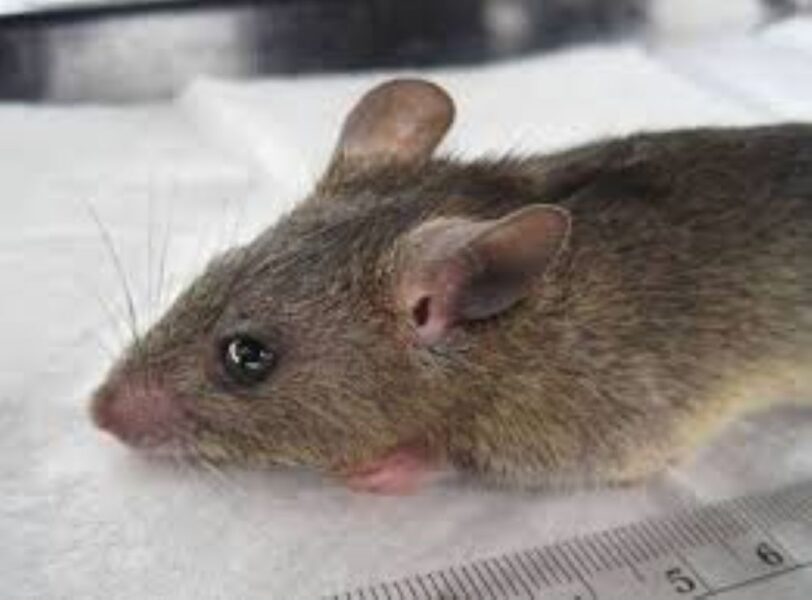
According to the commissioner, poor environmental hygiene and the presence of multimammate rats remained among the factors sustaining the risk of transmission.
She consequently urged residents to dispose of waste properly, seal openings through which rodents could enter their homes, keep food covered and stored appropriately, and maintain clean surroundings.
Ajetunmobi also disclosed that one recent confirmed case involved a patient who tested positive for Lassa fever after travelling to the Republic of Benin.
She said the patient had already been taken to Benin by the time the laboratory result became available, limiting the opportunity for health officials to intervene before the departure.
The commissioner said contact tracing was immediately activated and extended to the port authority, while officials manning the state’s borders were directed to remain proactive and vigilant.
She added that another recent case involving a deceased person remained classified as suspected because laboratory confirmation had not been obtained.
The health commissioner stressed that early Lassa fever symptoms can resemble those of common febrile illnesses, particularly malaria, making prompt diagnosis and a high index of suspicion crucial.
She advised residents experiencing persistent fever, headache, sore throat, vomiting or other unusual symptoms to seek medical attention promptly and provide healthcare workers with relevant travel information.
Ajetunmobi also issued a strong warning to healthcare workers, urging them to maintain strict infection prevention and control measures because of their potential exposure to infectious patients.
“We must not let down our own guard,” she warned, urging health workers to use gloves, face masks and other appropriate personal protective equipment when necessary.
“Treat every patient as infectious,” the commissioner said, stressing that some patients with infectious diseases might not initially present with fever.
She further emphasised proper hand hygiene before and after contact with patients, particularly in situations where healthcare workers could be exposed to bodily fluids.
As part of its response, the Oyo State Government has activated its Public Health Emergency Operations Centre to strengthen coordination and preparedness for possible outbreaks of Lassa fever, Ebola and other infectious diseases.
The commissioner said the state had also conducted preparedness assessments at healthcare facilities to identify gaps in infection prevention and control, screening, isolation and case management.
Beyond health facilities, she said Oyo had strengthened community-based disease surveillance involving disease surveillance officers, heads of health facilities and community informants.
Ajetunmobi urged residents to adopt the principle of “see something and say something”, saying early reporting would allow health authorities to investigate suspected infections, identify contacts and begin necessary interventions without delay.
The government is also preparing public education materials in Yoruba and English, alongside billboards and other sensitisation campaigns aimed at improving awareness of Lassa fever prevention, early detection and reporting.
Residents were advised to protect drinking water from contamination, store food safely and take measures to prevent rodents from entering homes.
The commissioner said sustained vigilance, community participation and strict infection-control practices were critical to reducing the risk posed by Lassa fever and other infectious diseases in the state.