

The Federal Government says it saved N15.8 trillion from the removal of fuel subsidy and other economic reforms implemented under President Bola Tinubu’s administration over the past three years.
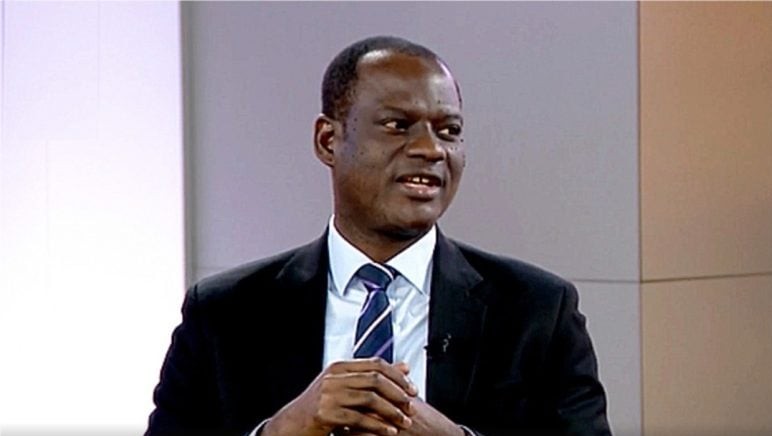
Minister of Finance and Coordinating Minister of the Economy, Taiwo Oyedele, disclosed the figure on Wednesday during a press conference where he presented a breakdown of the financial impact of the reforms.
Oyedele explained that the N15.8 trillion saved from the reforms accrued to the Federation Account and was subsequently shared among the three tiers of government.
According to him, the federal government received N5.43 trillion, while state governments received N6.52 trillion and local governments got N3.88 trillion.
Beyond the savings from subsidy removal, the minister said the reforms also generated N3.12 trillion in incremental revenue and N11.85 trillion in incremental borrowing.
He said the combined resources brought the federal government’s total incremental resources during the period to approximately N20.4 trillion.
However, Oyedele stressed that the savings should not be interpreted as a large pool of cash that became immediately available to the federal government for unrestricted spending.
He said the reforms primarily reduced the fiscal burden on government and lowered the amount of additional borrowing that would otherwise have been necessary.
“The federal government had approximately N20.4 trillion in incremental resources,” Oyedele said.
“Over the same period, additional expenditures amounted to approximately N30.64 trillion. Subsidy removal, therefore, did not create one large pool of cash available to the federal government. It reduced a major fiscal burden and the amount of additional borrowing that would otherwise have been required.”
The minister said the government’s additional expenditure during the period amounted to N30.64 trillion, covering wage adjustments, external debt servicing, infrastructure and electricity subsidies.
A breakdown showed that N9.39 trillion was spent on wage adjustments, reflecting measures taken to cushion the impact of economic reforms on workers.
Another N9.37 trillion went into external debt servicing, while N6.47 trillion was allocated to infrastructure projects.
The government also spent N3.14 trillion on electricity subsidies during the period, according to Oyedele.
The figures provide an overview of the fiscal consequences of the Tinubu administration’s economic reforms, particularly the removal of the petrol subsidy, which has been one of the most significant policy changes introduced since the administration assumed office in May 2023.
Oyedele’s explanation also highlighted the distinction between increased government resources and actual fiscal savings, noting that much of the additional resources were absorbed by rising government obligations and expenditure commitments.