

The Federal High Court in Abuja has admitted written statements and video recordings made by six alleged coup plotters during military interrogations as evidence in their ongoing trial.
Justice Joyce Abdulmalik, in a ruling on Thursday, dismissed objections by the defendants, holding that they failed to provide sufficient evidence that the statements and recordings were obtained through torture, coercion or inducement.
The ruling followed a trial-within-trial ordered to determine whether the statements were made voluntarily.
Defence lawyers had challenged their admissibility, arguing that the defendants were subjected to pressure during interrogation.
Justice Abdulmalik upheld the Federal Government’s position that the six defendants voluntarily made the statements and participated in the recorded interrogations.
She described the allegations of duress as an afterthought and found no sufficient evidence that military personnel had tortured or forced the defendants into making the statements.
The court consequently admitted the written statements and audiovisual recordings as exhibits in the substantive trial.
The defendants are retired Major General Mohammed Gana, retired Navy Captain Erasmus Victor, Inspector Ahmed Ibrahim, Zekeri Umoru, Bukar Goni and Abdulkadir Sani.
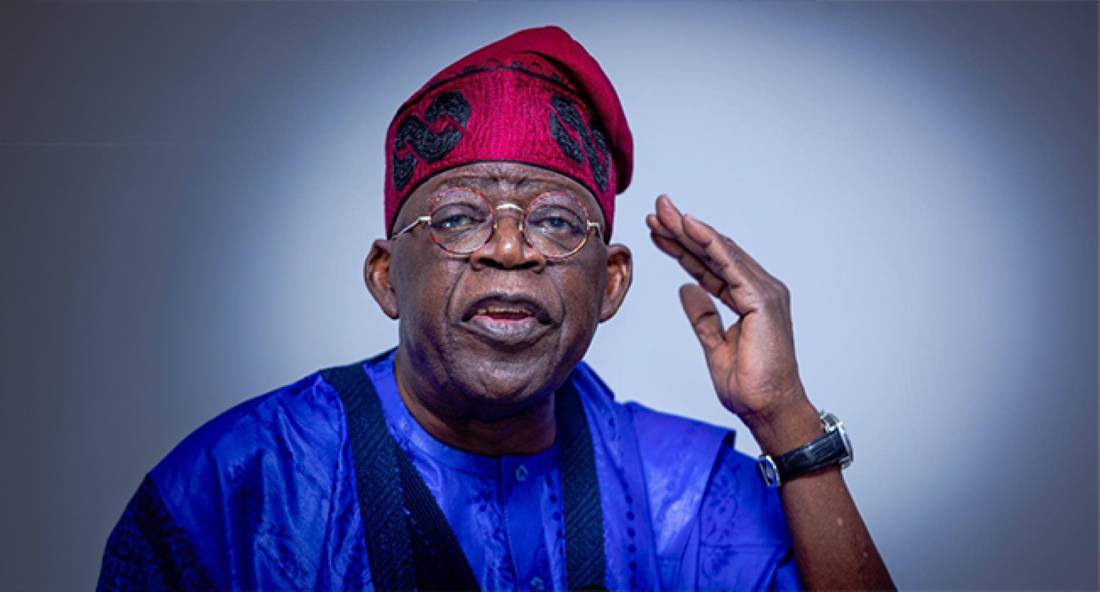
They were accused of involvement in an alleged plot to forcefully take over government from President Bola Tinubu.
The Federal Government, through the Office of the Attorney-General of the Federation, arraigned the six men on April 22, 2026, on a 13-count charge marked FHC/ABJ/CR/206/2026.
They are facing allegations bordering on treason, terrorism, failure to disclose security intelligence and money laundering allegedly connected to terrorism financing.
The trial-within-trial was ordered on May 11 after defence counsel objected to statements and video recordings tendered by the prosecution.
The objection followed evidence from four prosecution witnesses, including an Army officer identified by the codename “AAA”, who tendered recordings of the defendants’ interrogations.
With the disputed materials now admitted, Justice Abdulmalik adjourned the case until December 7 and 10, 2026, for continuation of the trial.