
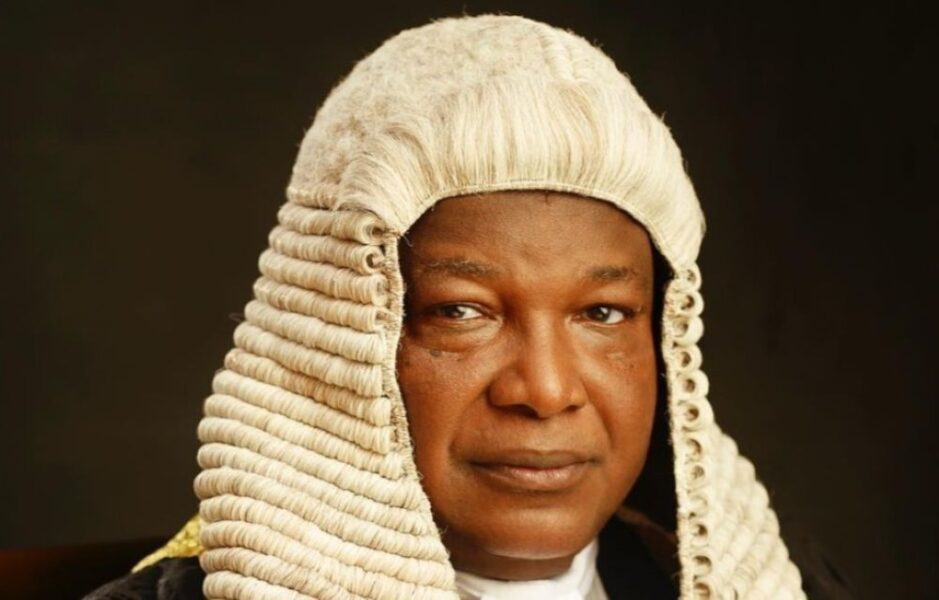

Senior Advocate of Nigeria (SAN) and University of Lagos law lecturer, Dr. Wahab Shittu, has called for the death penalty to remain part of Nigeria’s legal framework for convicted terrorists, describing terrorism as a crime against humanity that warrants the severest punishment allowed by law.
Shittu spoke on Frontline, a current affairs programme on Eagle 102.5 FM, Ilese-Ijebu, Ogun State, on Thursday, following the Federal High Court’s sentencing of three men involved in the abduction of pupils and teachers in Oriire Local Government Area of Oyo State to life imprisonment.
The judgment has renewed debate over whether Nigeria’s anti-terrorism laws should prescribe tougher penalties.
According to the senior advocate, the life sentences should not be mistaken for judicial leniency, as judges can only impose punishments provided under the Terrorism Prevention and Prohibition Act.
He urged the National Assembly to amend the law so that everyone involved in terrorism—including those who aid, abet or conceal terrorist activities—faces the same maximum punishment.
“Judges cannot act outside the statutory framework. Until the law is amended, they have no option but to work within the legal provisions available,” he said.
Shittu argued that terrorism devastates lives, property, critical infrastructure and the economy, making capital punishment an appropriate sanction where the law permits. He maintained that crime thrives when offenders face inadequate consequences, adding that penalties must be strong enough to deter future attacks.
While advocating stiffer punishment, he stressed that convictions must follow fair trials conducted in line with constitutional guarantees and internationally recognised human rights standards.
The SAN also said the conviction of two citizens of the Republic of Niger among the suspects highlights the transnational nature of terrorism, calling for stronger border security, intelligence sharing and sustained collaboration with neighbouring countries and international partners.
He commended the Federal High Court judges designated to handle terrorism cases and the Attorney-General of the Federation for ensuring suspects are prosecuted rather than kept in prolonged detention without trial.
Beyond prosecution, Shittu called for greater investment in forensic and digital investigation, improved intelligence gathering and efforts to dismantle terrorist financing networks.
He also urged the federal government to establish a Victims Trust Fund to provide compensation, rehabilitation and restitution for victims and families affected by terrorist attacks, arguing that convictions alone do not deliver complete justice.
On negotiations with terrorists, Shittu warned against yielding to the demands of kidnappers and insurgents, saying it would undermine the state’s constitutional duty to protect citizens.
He concluded that although Nigerians are justified in demanding tougher punishment for terrorism, only an amendment to the Terrorism Prevention and Prohibition Act can empower judges to impose harsher penalties.