
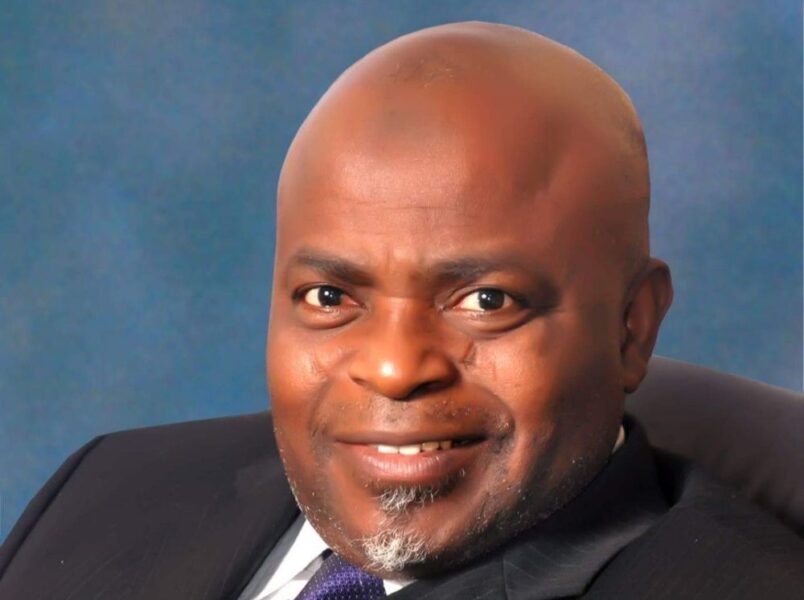

Former Speaker of the Osun State House of Assembly and former member of the House of Representatives, Mojeed Alabi, has argued that Nigeria’s developmental challenges should not be blamed on democracy, insisting that weak leadership and fragile institutions are the real obstacles to national progress.
Alabi held the position on Friday during an appearance on Frontline, a current affairs programme on Eagle 102.5 FM, Ilese-Ijebu, Ogun State, where he assessed Nigeria’s democratic journey and the challenges confronting the country.
According to him, democracy remains the most viable system for promoting citizen participation, accountability and responsive governance, stressing that it has never been a cause of underdevelopment anywhere in the world.
“Democracy can never be, has never been, and will never be a factor for underdevelopment,” he said, noting that the system is designed to empower citizens rather than worsen their conditions.
The former lawmaker cautioned against dismissing Nigeria’s democratic experience since the return to civil rule in 1999, describing the country as an “emerging democracy” still undergoing a process of growth and consolidation.
He explained that democratic governance is not an event but a gradual process that requires sustained nurturing and institutional strengthening before it can deliver the level of progress witnessed in more established democracies.
While acknowledging that regular elections have been sustained over the years, Alabi maintained that democratic consolidation should be measured beyond electoral continuity.
He argued that the persistence of poverty, insecurity and weak public institutions indicates that Nigeria is still far from achieving the full benefits of democratic governance.
Referencing President Bola Tinubu’s Democracy Day remarks, Alabi said it was significant that the president acknowledged that many Nigerians had yet to experience the expected dividends of democracy.
He described the admission as a recognition that the government still has considerable work to do in addressing the aspirations of citizens and strengthening public confidence in democratic institutions.
Alabi further linked the country’s worsening security challenges to prevailing economic conditions, arguing that widespread poverty and economic hardship have created fertile ground for criminal activities.
According to him, insecurity ranging from banditry and armed robbery to Boko Haram insurgency cannot be completely separated from the inability of the system to provide economic opportunities and improve living standards for ordinary Nigerians.
He said many citizens resort to unlawful means of survival when legitimate economic opportunities are absent, adding that meaningful economic empowerment remains critical to addressing the root causes of insecurity.
The former Speaker also stressed the need for fairness in implementing economic reforms and adjustment policies.
While acknowledging that difficult policy decisions may sometimes be necessary to secure long-term economic stability, he insisted that governments must put measures in place to cushion the impact on vulnerable citizens.
Alabi warned against situations where public officials enjoy privileges while ordinary Nigerians bear the full burden of economic sacrifices.
He argued that if citizens are expected to endure hardship in anticipation of future gains, then political leaders and government officials must equally demonstrate commitment to the same sacrifices.
According to him, the burden of economic adjustment should be shared across all segments of society, regardless of political affiliation or social status, to ensure public trust and a sense of collective responsibility in national development efforts.