
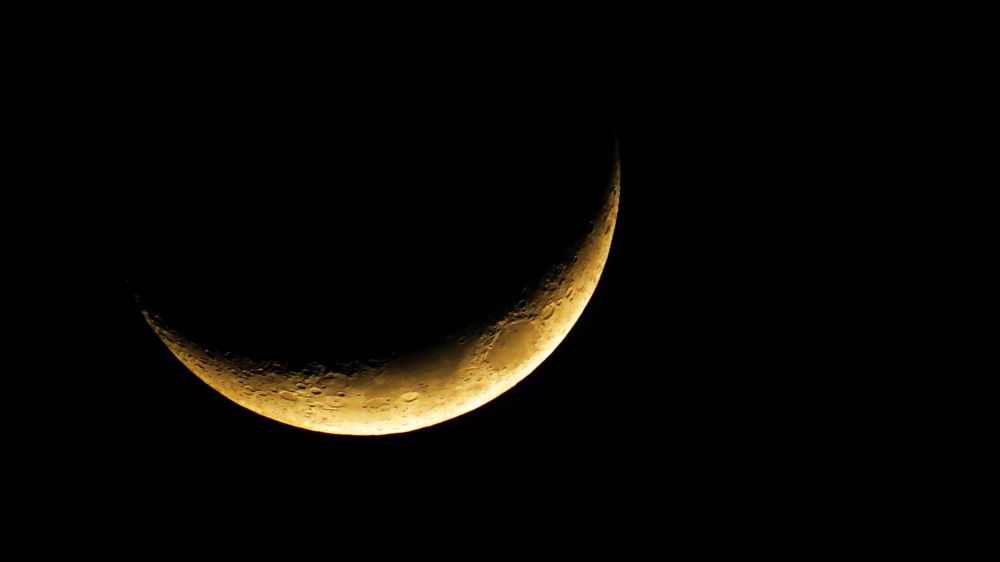

Saudi Arabia on Tuesday officially announced the sighting of the crescent moon, marking the commencement of Ramadan 1447 in the Islamic calendar.
With the confirmation of the Hilal, the Kingdom declared Wednesday, February 18, 2026, as the first day of fasting. Taraweeh prayers are scheduled to begin after the Isha prayer on Tuesday evening, ushering in the sacred month observed by Muslims worldwide.
A post by @Muslim on X confirmed the development, stating: “BREAKING: Saudi Arabia announces the first day of fasting for Ramadan to begin on Wednesday, February 18, 2026. Taraweeh will begin tonight on the first evening of the blessed month. It’s recommended to follow the fasting time designated by your local community and country.”
Following Saudi Arabia’s announcement, Muslims in Nigeria, Qatar, and the United Arab Emirates, among other countries, are expected to begin fasting at dawn on Wednesday, dedicating the month to prayer, reflection, charity, and spiritual renewal.
However, not all countries will commence the fast on the same day. In Japan, the Hilal Vision Committee confirmed that the crescent moon was not sighted, thereby declaring Thursday, February 19, 2026, as the first day of Ramadan. Muslims across the country will observe their inaugural fast on Thursday.
Similarly, authorities in Iran, Oman, Singapore, and Turkey announced that Ramadan will begin on Thursday after the moon was not sighted in line with their established lunar observation procedures.
Ramadan is the ninth month of the Islamic lunar calendar, which consists of 12 months totaling 354 or 355 days. Due to the lunar cycle, the start date of Ramadan shifts approximately 10 to 11 days earlier each year in the Gregorian calendar.
Fasting during Ramadan is one of the Five Pillars of Islam and is obligatory for healthy adult Muslims. Exemptions apply to children, the elderly, the sick, travellers, and women who are pregnant, nursing, or menstruating.
The sighting of the crescent moon remains a deeply rooted Islamic tradition used to determine the beginning of Ramadan as well as the Islamic festivals of Eid al-Fitr and Eid al-Adha.
Across many Muslim-majority countries, work hours and school schedules are often adjusted during Ramadan to accommodate increased worship, family gatherings, and communal prayers.
With more than 1.8 billion Muslims globally, Ramadan remains one of the most significant periods in the Islamic faith, marked by fasting from dawn to sunset, intensified devotion, and acts of charity.