

The Independent National Electoral Commission (INEC) has declared that the forthcoming off-cycle governorship elections in Osun State and Ekiti State, alongside the Federal Capital Territory (FCT) Area Council elections slated for February 2026, will constitute a critical testing ground for the 2027 general elections.
INEC Chairman Prof. Joash Amupitan disclosed this at the opening of a two-day Induction and Strategic Retreat for newly appointed Commission Members and Resident Electoral Commissioners, held in Lagos.
Amupitan said while the 2027 general election remains the Commission’s ultimate objective, INEC must first successfully navigate a series of important electoral milestones that will shape operational readiness and public confidence.
According to him, the retreat was designed to familiarise new appointees with INEC’s institutional framework, administrative structure, communication protocols, and ethical standards, while also aligning leadership around shared priorities ahead of the high-stakes national polls.
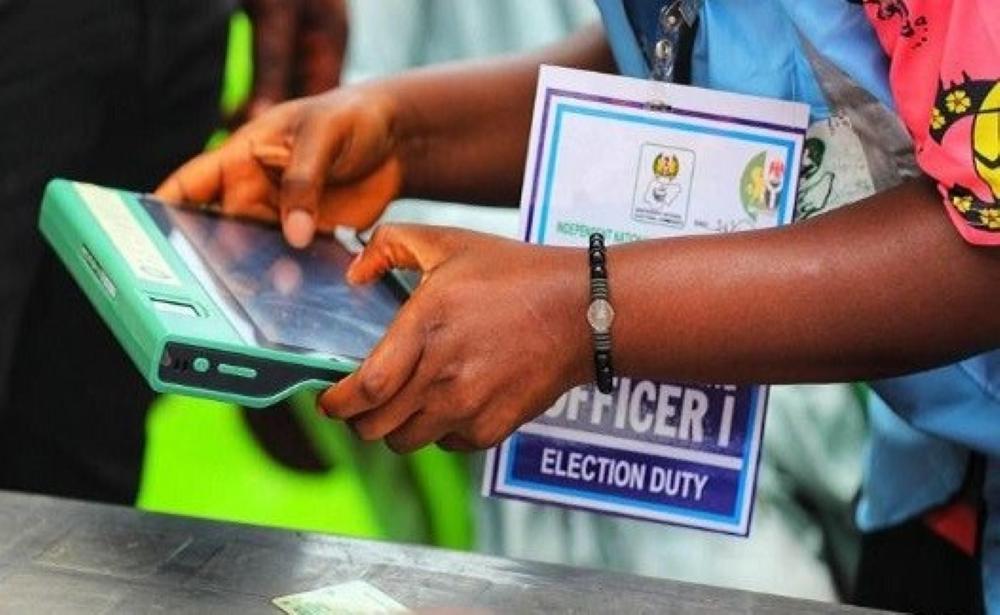
“These elections will serve as important testing grounds for refining voter registry management, election logistics, and the deployment of technology such as the Bimodal Voter Accreditation System (BVAS),” Amupitan said.
Speaking further, the INEC chairman reaffirmed the Commission’s commitment to delivering elections that are free, fair, credible, transparent and inclusive, stressing that institutional preparations for 2027 have already intensified in response to heightened public scrutiny.
He noted that the Commission is deliberately strengthening its leadership capacity, operational systems, and internal coherence to meet rising expectations from Nigerians and the international community.
Amupitan emphasised that early planning, strategic coordination, and strict adherence to the rule of law would be decisive in safeguarding the credibility of the 2027 general election.
He also outlined five non-negotiable pillars guiding INEC’s mandate: elections free from interference; fairness to all political parties and candidates; credibility in the eyes of Nigerians and the international community; transparency at every stage of the electoral process; and inclusivity to ensure that no eligible voter is disenfranchised.
In his own speech, the Resident Electoral Commissioner for Lagos State, Ayobami Salami, described the retreat as a significant milestone in INEC’s ongoing institutional evolution.
Salami said the engagement offers a critical platform for reflection, strategic alignment and institutional consolidation at a time when public expectations of the electoral process are higher than ever.
He added that early planning, coordination and institutional cohesion remain indispensable as the Commission advances steadily towards the 2027 general election.