
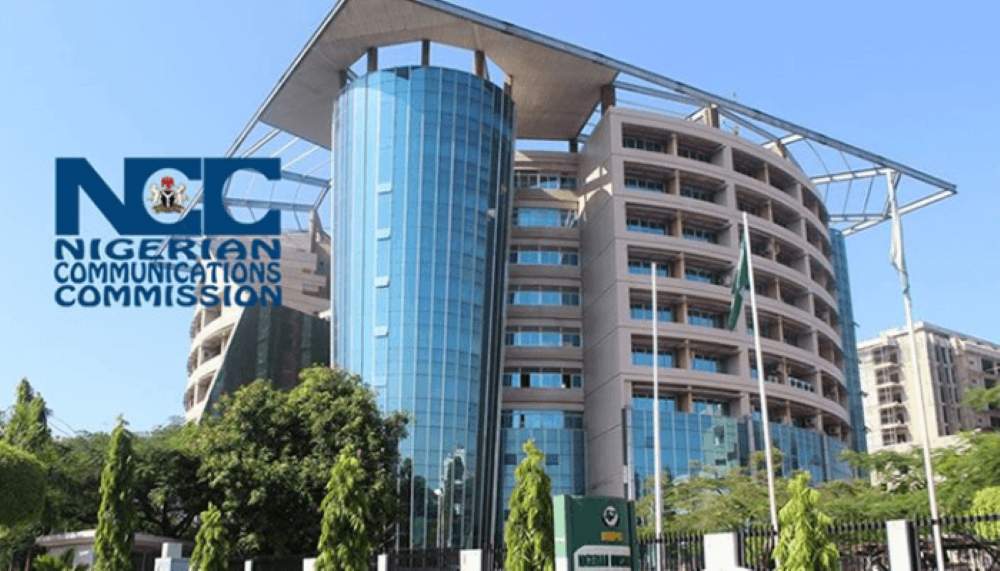

The Nigerian Communications Commission (NCC) has directed Mobile Network Operators (MNOs) to compensate subscribers in areas experiencing poor network quality that falls below approved standards.
In a statement issued on Sunday, the Commission’s Head of Public Affairs, Nnenna Ukoha, disclosed that affected subscribers would receive compensation in the form of airtime credits.
The credits, she explained, would be calculated based on users’ average spending patterns and their presence in local government areas where service failures occur.
The directive underscores the NCC’s renewed focus on consumer protection within Nigeria’s telecommunications sector, as the regulator seeks to ensure that subscribers are not unfairly burdened by service deficiencies.
“Subscribers should not be made to bear the full burden of service disruptions where operators fail to meet prescribed standards of service delivery,” the statement said.
It further clarified that compensation would be systematically determined using verifiable usage data to ensure fairness and transparency in the process.
The Commission noted that the move aligns with its broader regulatory philosophy, which prioritises the interests of consumers and aims to place them at the centre of Nigeria’s telecommunications ecosystem.
According to the NCC, telecommunications services have become critical to economic productivity, social interaction, and access to digital opportunities. As such, poor service quality has far-reaching implications, including reduced efficiency in commercial activities and diminished public confidence in communication systems.
In addition to the compensation directive, the regulator also issued fresh instructions to Tower Companies, which manage critical infrastructure such as telecom masts.
The NCC mandated these firms to reinvest fines imposed on them into tangible infrastructure improvements aimed at enhancing network performance nationwide.
“The commission will continue to reinforce the obligation of operators to invest consistently in network resilience, capacity expansion, and infrastructure upgrades to meet the growing demand for telecommunications services,” the statement added.
The NCC emphasised that it would continue to deploy regulatory mechanisms designed to promote fairness, transparency, and accountability across the industry. It also signalled its readiness to impose additional financial penalties where necessary to ensure compliance and improve service delivery standards.
The latest directive reflects increasing regulatory pressure on telecom operators to address persistent network challenges and deliver reliable services to millions of Nigerian subscribers.