
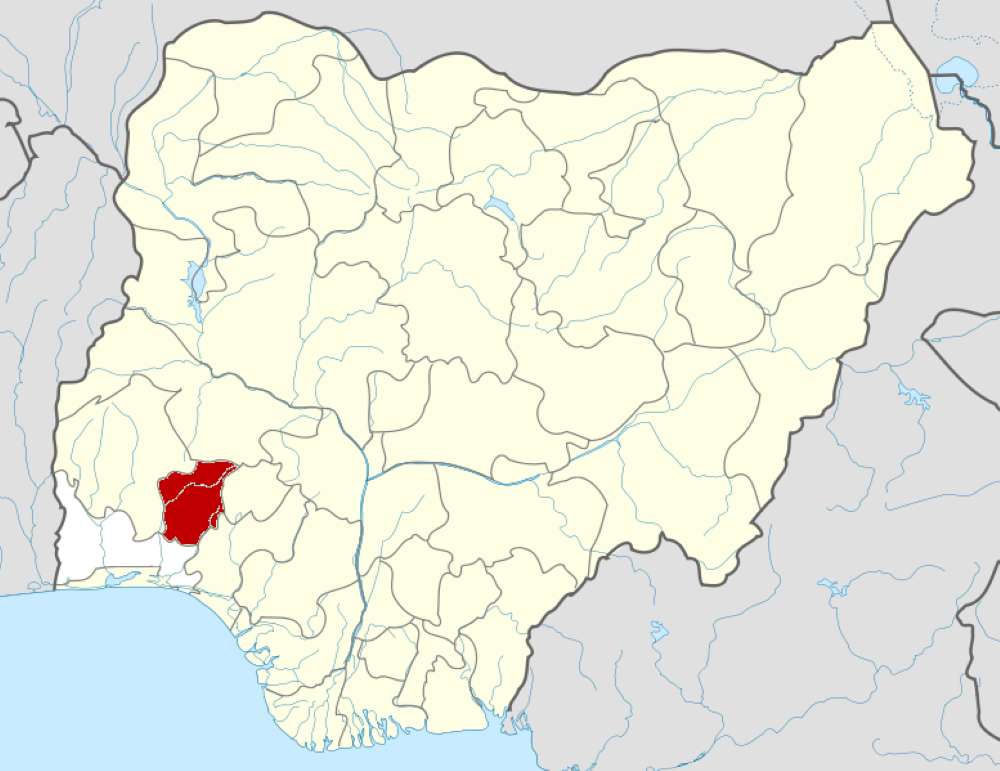

The Supreme Court of Nigeria has struck out a suit filed by the Osun State Attorney General and Commissioner for Justice, Oluwole Jimi-Bada, challenging the Federal Government’s withholding of statutory allocations meant for the state’s 30 local government councils.
In a split decision of six to one delivered on Friday, the apex court held that the Osun Attorney General lacked the legal authority to institute the action on behalf of democratically elected local government chairmen and councillors.
Justice Mohammed Idris, who delivered the lead judgment, ruled that only the elected officials, having been duly inaugurated, possess the constitutional standing to sue or be sued over matters concerning their administration and finances.
While faulting the Attorney General of the state on the issue of locus standi, the Supreme Court nonetheless condemned the Federal Government’s action, declaring the withholding of local government funds a violation of the 1999 Constitution. The court further advised that allocations should be paid directly into the accounts of local councils, affirming the constitutional autonomy of the third tier of government.
The panel also dismissed the contempt allegations levelled by the Attorney General of the Federation, Lateef Fagbemi, SAN, against the Osun State Government, noting that the Federal Government itself had not complied with constitutional provisions regarding the release of funds.
According to Justice Idris, the AGF “was in more contempt,” having failed to make the statutory payments as required by law.
However, the court stressed that the Osun Attorney General improperly initiated the action since no evidence was presented to show that he had been formally instructed or authorised by the local government authorities.
In a lone dissenting judgment, Justice Emmanuel Agim disagreed with the majority, holding that the state’s Attorney General is constitutionally empowered to file the suit, particularly where issues of public interest and constitutional interpretation are involved.
The ruling underscores ongoing tensions between state governments and the Federal Government over the financial autonomy of local councils and is expected to shape future legal battles on the administration of local government funds across the country.