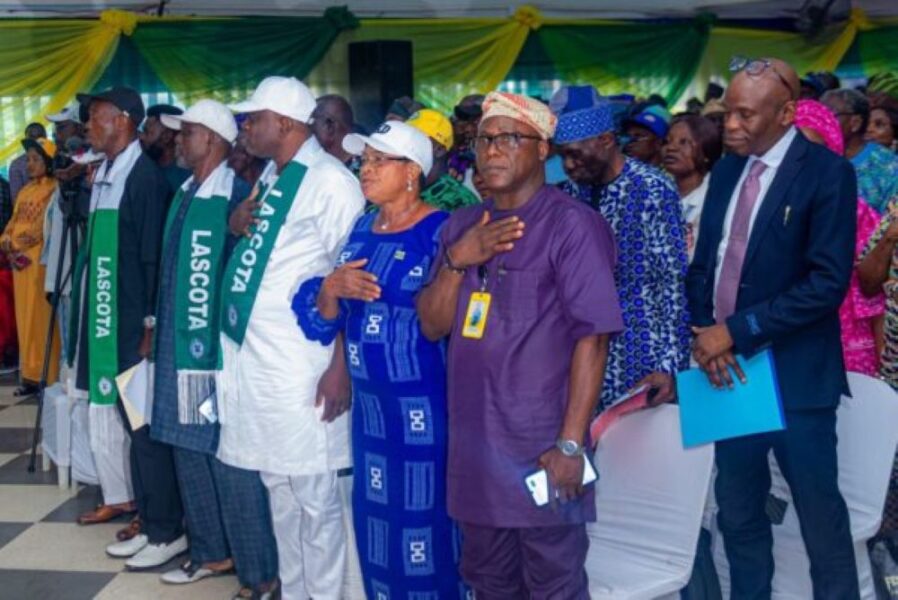

The Lagos State Government has begun consultations with residents across its five divisions ahead of the preparation of the 2027 budget, with officials promising greater attention to grassroots demands and accountability.
The consultations opened with the 2027 Budget Consultative Forum for the Ikeja Division, held at the Multipurpose Hall of Radio Lagos in Agidingbi, Ikeja.
The forum provided an opportunity for residents and community representatives to review the government’s response to demands raised during previous consultations while presenting fresh priorities for consideration in the 2027 budget.
Commissioner for Economic Planning and Budget, Ope George, said the annual engagement was intended to give residents a direct opportunity to influence government spending priorities.
George said the process had developed beyond simply collecting requests from communities, explaining that government now uses the consultations to report on previous commitments and obtain feedback before considering new demands.
“Every year, we go around our IBILE Divisions to listen to our citizens and hear what they want to see in their upcoming budget,” he said.
According to the commissioner, the government would continue the consultations annually to better understand the needs of residents and incorporate feasible demands into its budget plans.
He also disclosed that Lagos had maintained budget performance of about 80 per cent in recent years.
The 2026 budget, he said, was currently recording between 79 and 80 per cent implementation, while the state’s Internally Generated Revenue (IGR) had consistently performed at between 85 and 90 per cent of annual targets.
George added that the latest half-year assessment of IGR performance stood at about 80 per cent.
On the state’s economic performance, the commissioner put Lagos’ real Gross Domestic Product at an estimated ₦16.2 trillion, noting that the government monitors both nominal and real GDP in assessing the state’s economic output.
The Permanent Secretary in the ministry, Olayinka Ojo, said the consultative forums had become an important platform for feedback and accountability rather than merely an avenue for residents to submit requests.
Ojo explained that demands raised during the consultations were documented, assessed and forwarded to the relevant government institutions. Where such demands were approved, she said, they could be translated into budgetary interventions.
She also highlighted the role of Community Development Committees (CDCs) and Community Development Associations (CDAs) in facilitating grassroots participation across Lagos’ 20 Local Government Areas and 37 Local Council Development Areas.
Community representatives at the Ikeja Division forum welcomed the continued engagement.
Adesegun Olatunde, Chairman of the Community Development Committee in Isolo Local Council Development Area and an Executive Council member of the Lagos State Community Development Council, said he had participated in the budget consultations for almost eight years.
Olatunde claimed that about 70 per cent of demands presented by communities were usually addressed through the budget implementation process.
He said the level of government response had encouraged communities to sustain their participation in the annual consultations, although not all requests could be implemented due to competing and emerging government priorities.
The Lagos State Government is expected to take the consultation to the remaining divisions as it continues the process of identifying and finalising priorities for the 2027 budget.
The exercise is expected to provide government with further input from residents on infrastructure, public services and other areas of community development before the 2027 budget is concluded.