
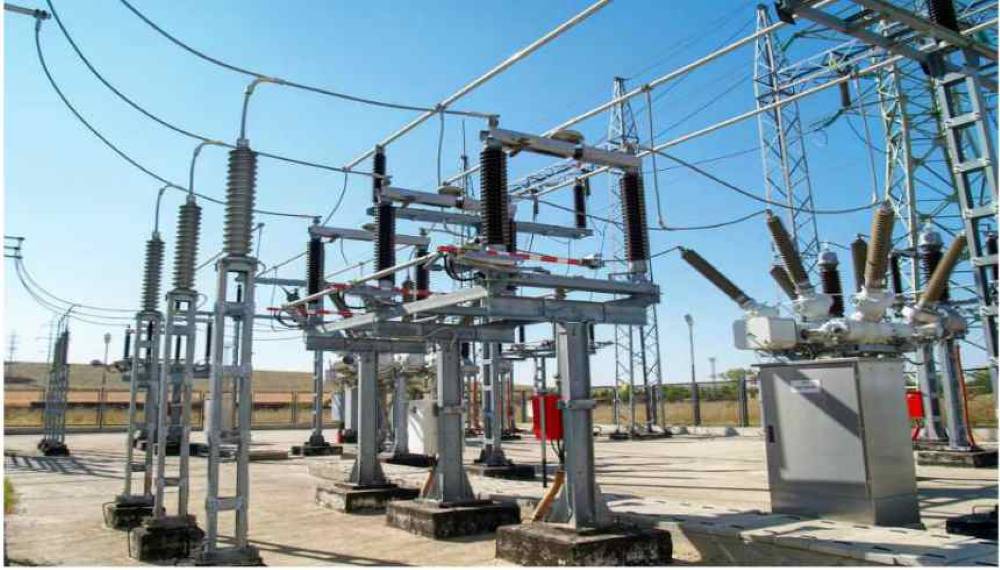

Nigeria’s national electricity grid on Tuesday experienced its second system collapse of 2026, plunging large parts of the country into darkness and once again exposing the fragility of the power transmission network.
Operational data available as of the time of filing this report showed that electricity supply dropped to zero megawatts, with no power allocated to any of the country’s 11 electricity distribution companies (DisCos). The development effectively triggered a nationwide blackout.
This latest incident comes barely days after the grid recorded its first collapse of the year last Friday and only weeks after a similar system failure on December 29, 2025, which had also resulted in widespread power outages across Nigeria.
All 23 power generation plants connected to the national grid reportedly lost output simultaneously during the incident, leading to a total shutdown of electricity supply across the transmission network.
Grid collapses in Nigeria have repeatedly been linked to a combination of technical faults, inadequate maintenance of transmission infrastructure, and instability arising from fluctuations in generation capacity.
Power sector analysts have long warned that the aging grid remains vulnerable to frequent disturbances unless critical upgrades are undertaken.
As of press time, the precise cause of the latest collapse had not been officially established. Officials of the Transmission Company of Nigeria (TCN) had yet to issue a detailed explanation on the circumstances surrounding the outage.
However, the grid operator confirmed that restoration efforts were ongoing, with the recovery process already underway to gradually return power to the system.
The repeated collapses have continued to raise concerns among businesses and households, many of whom rely heavily on alternative and costly power sources amid persistent grid instability.