

Nigeria has restated its commitment to global justice and pledged continued cooperation with the International Criminal Court (ICC) in efforts to end impunity for grave crimes across the world.
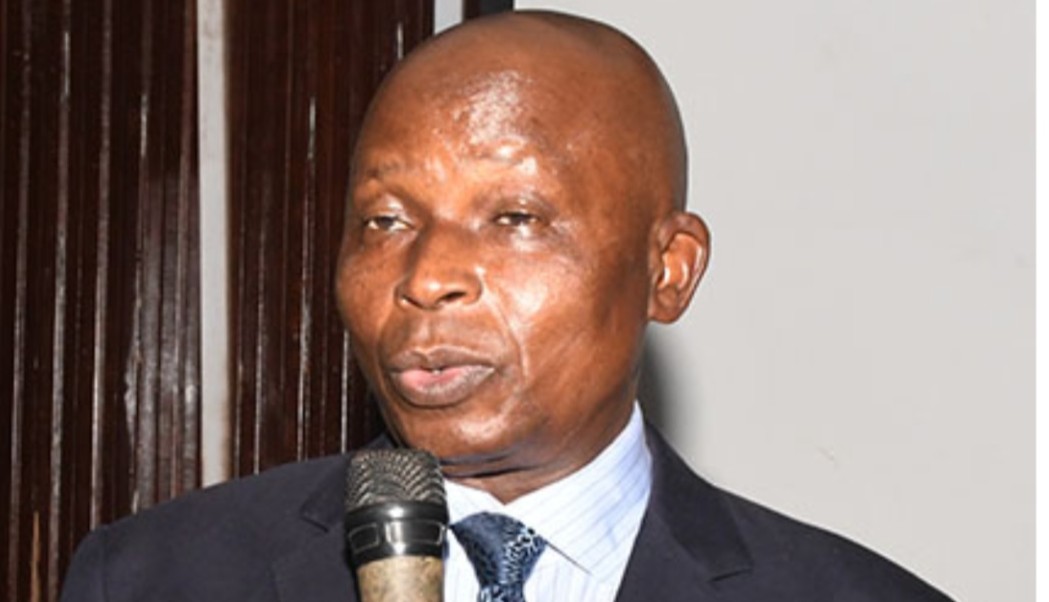
Attorney General of the Federation and Minister of Justice, Lateef Fagbemi, made the declaration on Monday while addressing the 24th Session of the Assembly of States Parties (ASP) to the Rome Statute at The Hague, Netherlands. The assembly, which opened on Monday, brings together state parties, civil society groups, and representatives of regional and international organisations to discuss emerging issues within the ICC framework. It is scheduled to run until 6 December, 2026.
In a statement issued by Kamarudeen Ogundele, Special Adviser to the President (Communication and Publicity) in the Office of the AGF, Fagbemi reaffirmed Nigeria’s backing for the Court’s work and urged nations yet to ratify the Rome Statute to do so in the interest of global peace and justice.
“We reaffirm our full support for the work of the Court and encourage States that have not yet acceded to the Rome Statute to do so in the interest of global peace, justice, and human dignity,” he said.
The minister emphasised Nigeria’s determination to hold human rights violators accountable and underscored the country’s readiness to deepen collaboration with the ICC while safeguarding its sovereignty.
“The Federal Government of Nigeria reaffirms its readiness to continue working with the ICC in the fulfilment of its mandate. Our cooperation is firmly rooted in the principles of international law and the sovereign equality of States, and we remain committed to ensuring that such cooperation always reflects respect for Nigeria’s sovereignty and constitutional framework,” he said.
Fagbemi expressed concern over the continued disregard for international humanitarian law, citing deliberate attacks on civilians and the destruction of civilian infrastructure as stark reminders of the need to strengthen global accountability mechanisms.
He also noted that modern technologies, particularly Lethal Autonomous Weapons Systems (LAWS), pose fresh challenges to the protection of civilians, calling for international safeguards to ensure that technological advancements benefit humanity rather than endanger it. Nigeria, he added, is ready to support ongoing efforts at the United Nations and other multilateral platforms to strengthen such protections.
The minister further called for the universalisation and full implementation of international humanitarian law instruments and stressed the importance of factoring Africa’s unique experiences into ICC-related discussions.
“We also emphasise the need for continued dialogue between the ICC and the African continent. Africa’s peculiar experiences and challenges must be integrated into ongoing discussions on cooperation, complementarity and reform,” he said.
Fagbemi condemned recent cyber-attacks targeting the ICC’s digital infrastructure, urging stronger collaboration among states and technical experts to bolster the Court’s cybersecurity and guard against future threats.
He also congratulated the newly elected member of the Board of Directors of the Trust Fund for Victims and commended the Fund for “giving tangible expression to the promise of justice for victims.”
The ongoing ASP session is expected to culminate in the adoption of resolutions aimed at strengthening the Rome Statute system and improving global responses to atrocities.